









How to wash cycling clothing
30 °C delicates cycle, no fabric softener, no tumble dryer, everything with a pad goes in a laundry bag. That is all it takes.

Performance clothing rarely wears out because it is bad. It wears out because it is washed the wrong way. Fabric softener, tumble dryers and 60-degree programmes destroy mesh structures, pad foams and water-repellent finishes faster than any ride.
The basic rules
- 30 °C, delicates cycle. Plenty for sweat and road dirt.
- No fabric softener, ever. It coats the fibres like a film and clogs exactly the channels that are meant to move sweat outwards.
- No tumble dryer. The heat makes pad foams collapse and stretches out elastane. Air drying is enough, performance fibres are dry within a few hours.
- Close zips, turn inside out. Protects prints, reflective details and the machine.
- Laundry bag for everything with a pad.
Looking after the pad
The chamois pad is the most delicate part of your kit. Wash padded shorts after every ride, sweat and bacteria attack the foam and can cause saddle problems. At 30 °C in a laundry bag, air dry, done. Which pad is in your shorts is explained in the chamois pad guide.
Refreshing the water-repellent finish (PFAS-free)
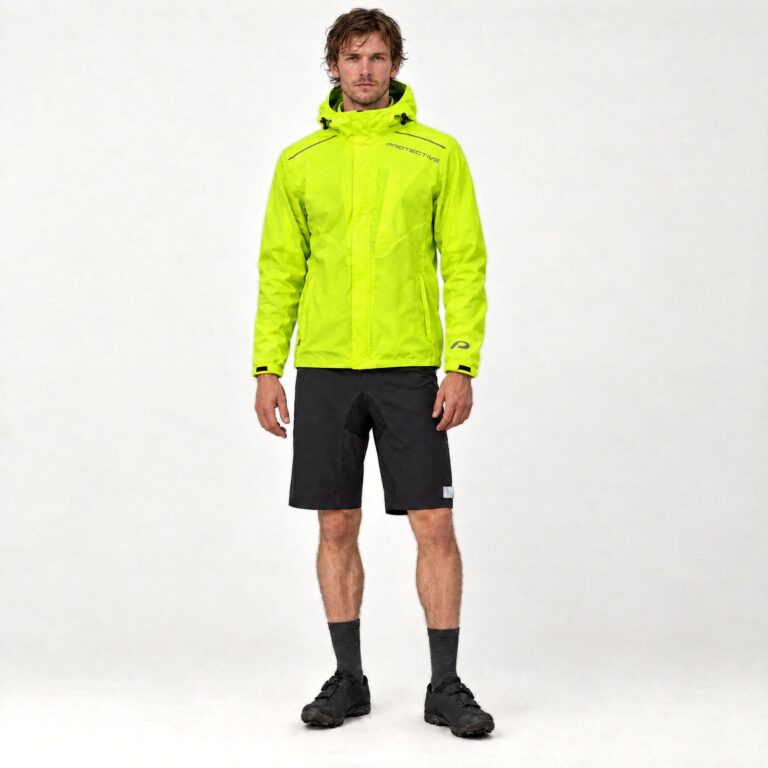
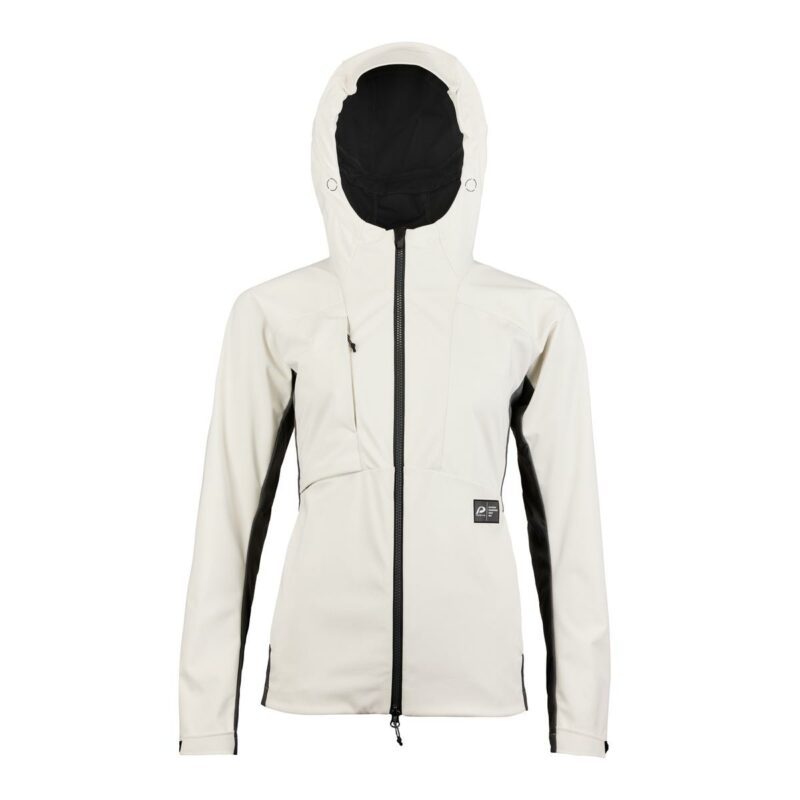
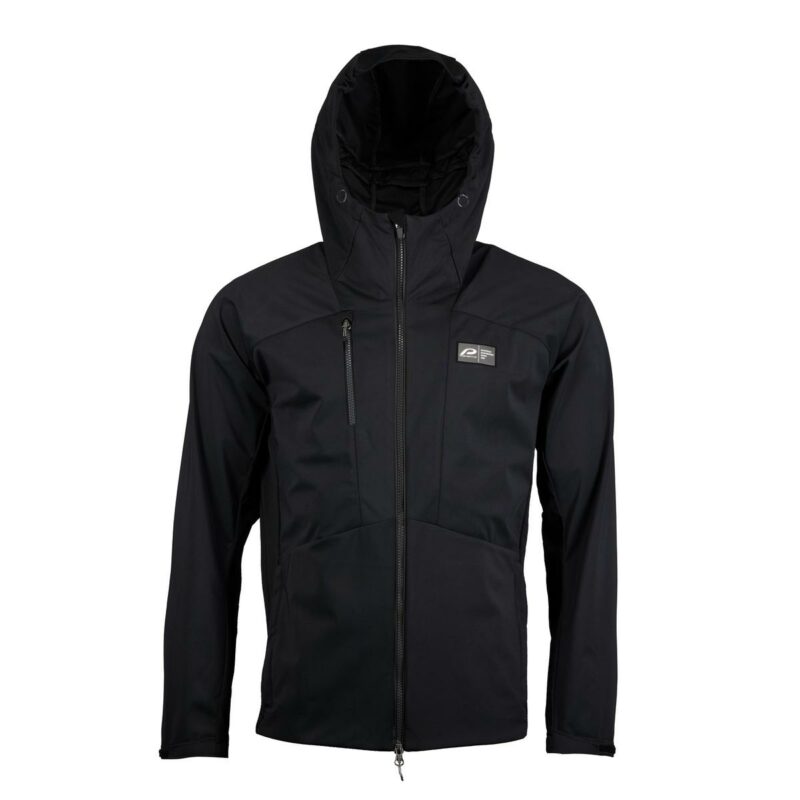
When water no longer beads off your rain jacket or softshell but soaks in and leaves dark patches, the membrane is rarely broken. Usually the impregnation is worn out, meaning the water-repellent finish on the outer fabric (DWR). You can refresh it at home.
When is it time?
The test takes ten seconds: a few drops of water on the dry outer fabric. If they bead off, all is well. If they soak in, it is time to reproof. The effect fades first on the shoulders and sleeves, where backpack straps and friction work against it.
Wash-in or spray-on?
- Wash-in: goes into the washing machine as an additive and treats the whole garment evenly. Handy when the finish has faded all over.
- Spray-on: applied to the outside where you need it. The better choice for jackets with a membrane, because the inside stays untreated and keeps moving moisture outwards. Also good for individual areas such as the shoulders.
You can get both from specialist retailers. The one thing that matters: wash first, then reproof. No finish holds on dirty fabric.
Heat activates the effect
PFAS-free finishes lose their effect faster than the old fluorinated ones. They need two things: regular refreshing and heat. Gentle heat revives the water-repellent finish after washing or reproofing, for example in the tumble dryer on a low setting or with an iron on a low setting and a cloth between iron and fabric. This only applies if the garment’s care label allows tumble drying or ironing, and only to jackets and trousers without a pad. For anything with a chamois pad the rule stays the same: no tumble dryer.
Which of our models come with a PFAS-free finish from the factory is shown by the label on the product. What is behind it is explained on the PFAS-free page.
If something breaks: repair it
A crash hole in your jersey or a split seam is no reason to bin it. We repair in-house instead of selling you a new one. Get in touch with customer service before you write off a damaged piece.
FAQ
How often should I wash cycling clothing?
Everything that touches your skin after every ride: shorts, underpants, baselayer, socks. Jerseys depending on how much you sweat, jackets and gilets much less often.
Which detergent is right?
Liquid delicates or sports detergent. Powder can build up in dense fabrics. Special sports detergents are not a must, but worth a try if you have odour problems.
Can performance clothing go on the radiator?
Better not directly. The heat puts strain on elastane and membranes, hang it next to the radiator instead of on it.
Why does my jersey still smell after washing?
Usually fabric softener residue or an overfilled drum. Wash once without softener and with a half load, that solves the problem in most cases.
How often do I need to reproof?
As needed rather than by the calendar: do the drop test. If water no longer beads off, it is time. For a rain jacket with a PFAS-free finish that you wear regularly, that often means once or twice a season.
Is reproofing enough without a tumble dryer or iron?
It works without them too, but with gentle heat the effect is more even and lasts longer. The care label is what counts: if it does not allow tumble drying or ironing, simply let the jacket air dry completely.