







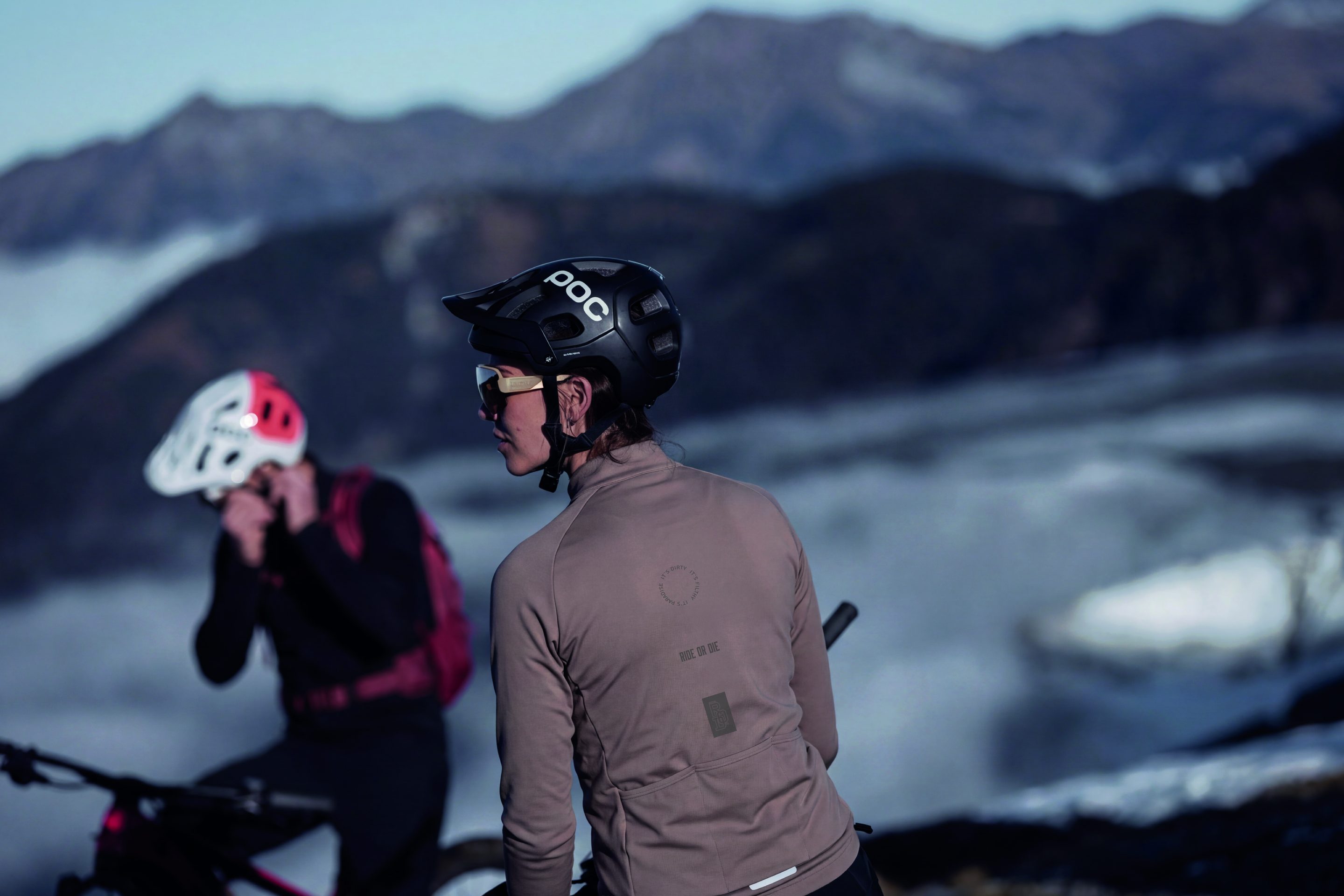
Layering in autumn and winter
Three thin layers instead of one thick one: a baselayer to move sweat, a long sleeve jersey as the warm layer, a wind gilet or jacket against headwind and wet. Start slightly cool, then it feels right after five minutes.

In autumn and winter it is not the thickest jacket that makes a good ride, but the right combination. Layering means several thin layers, so you can regulate warmth before you sweat or get cold.
The three layers
Baselayer: the layer next to your skin
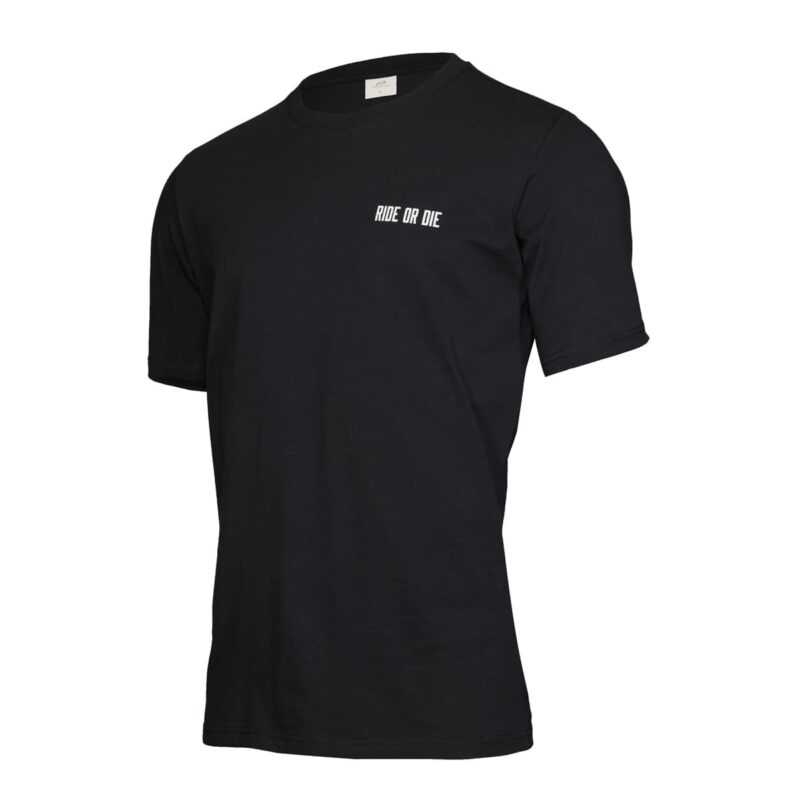
A close-fitting performance shirt that moves sweat away from your skin. The most important layer in the system: if the baselayer stays wet, no jacket will keep you warm. Cotton is off limits here, it holds moisture.
Mid-layer: the warm layer
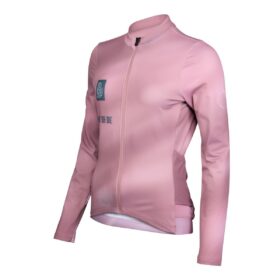
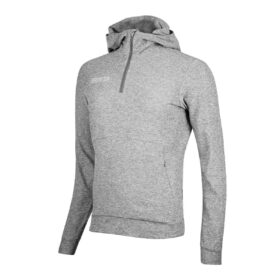
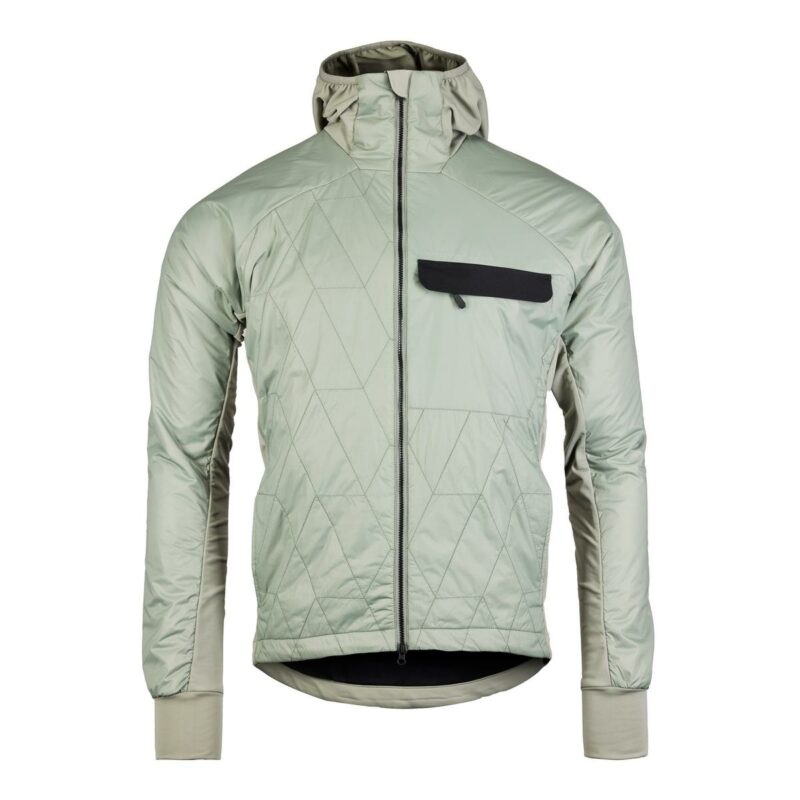
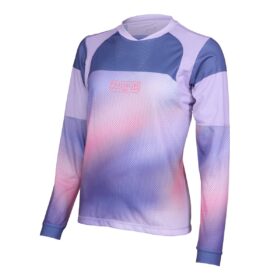
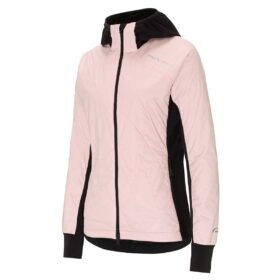
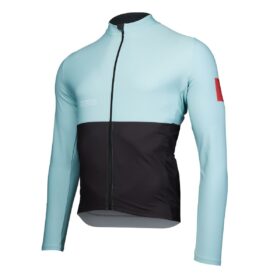
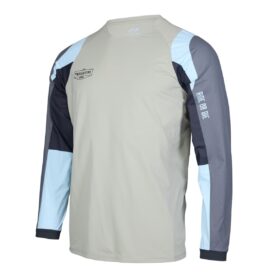
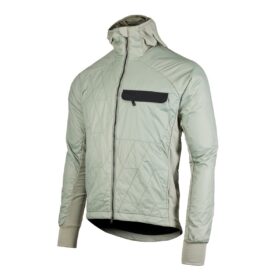
A long sleeve jersey, with a thermal element depending on the temperature. It keeps warmth close to your body and moves moisture from the baselayer further outwards. In our hybrid gilets, FLOCUS™ kapok insulates instead of down. Which models contain kapok is stated on the product.

Outer layer: wind and weather
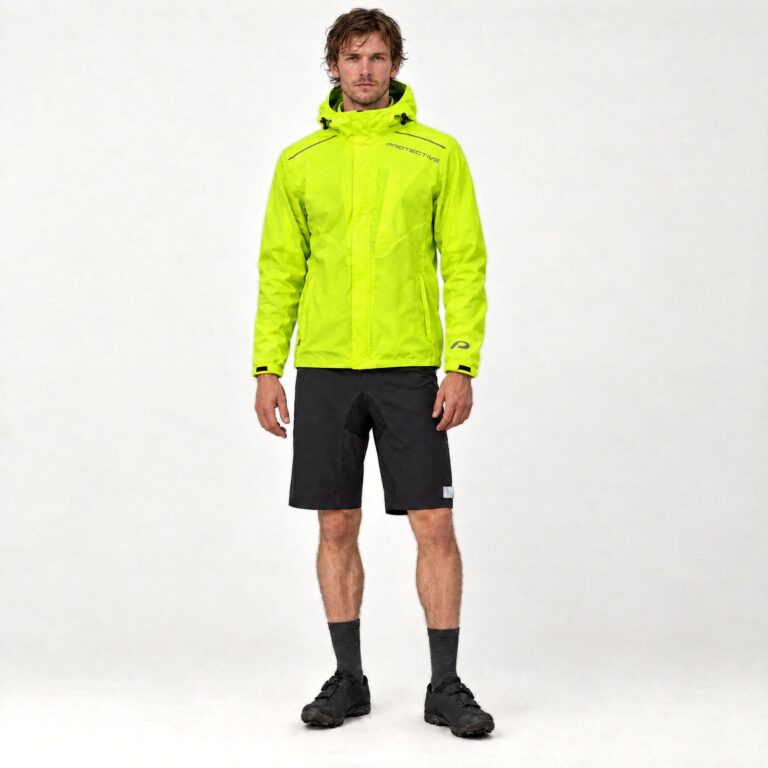
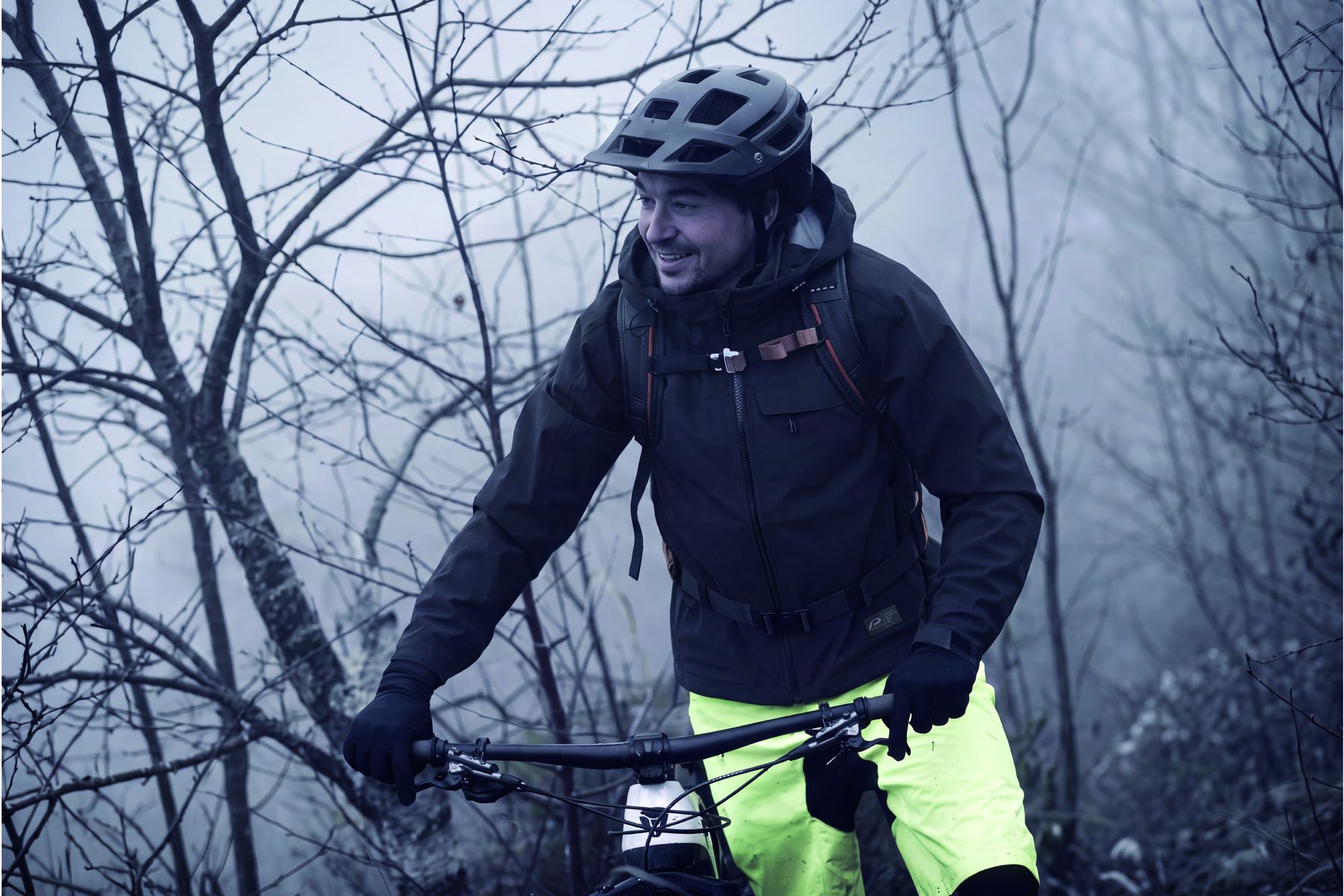
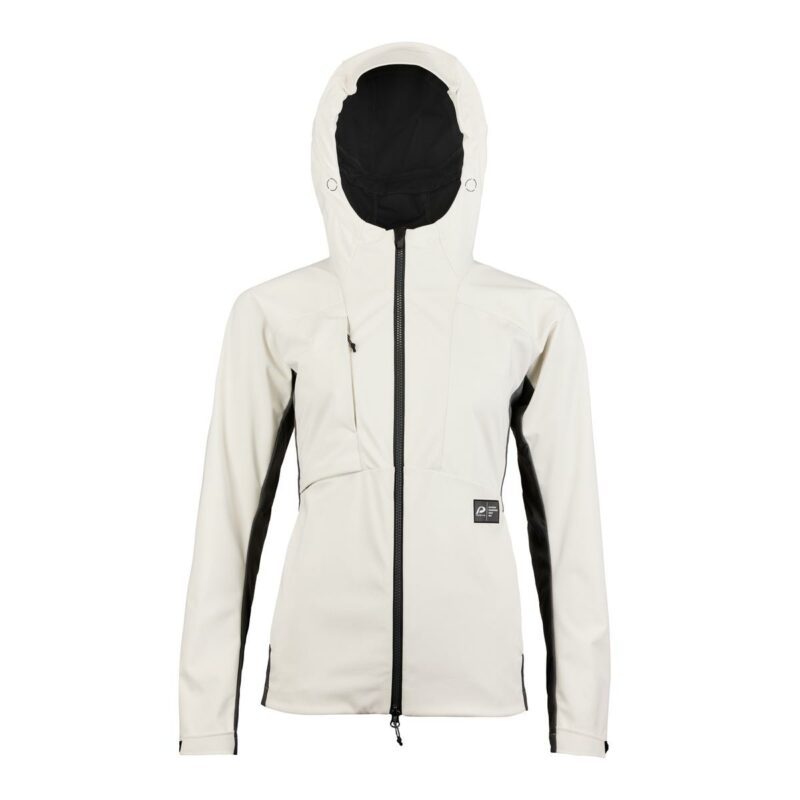
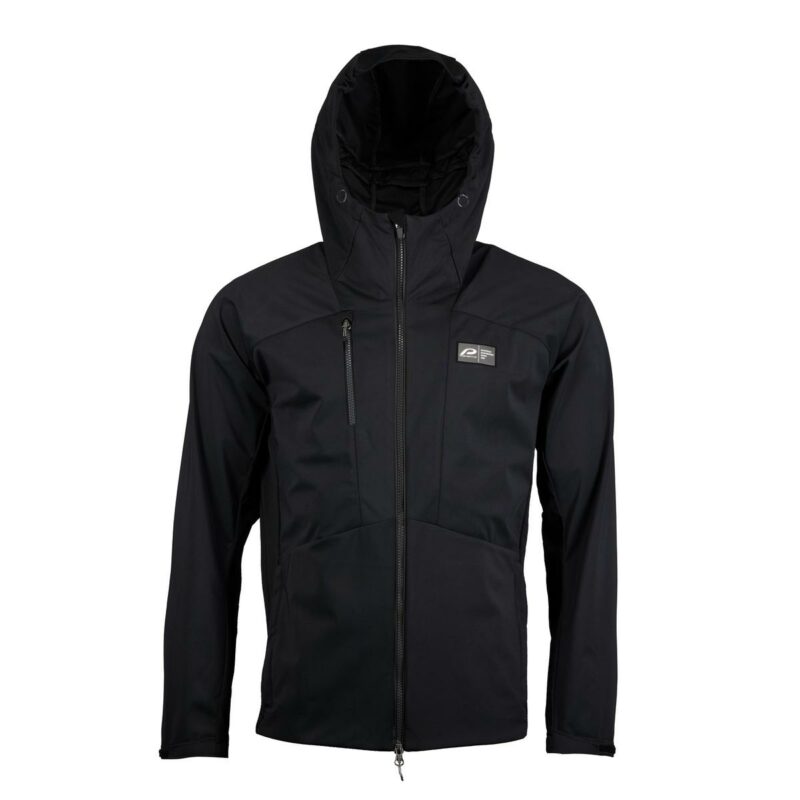
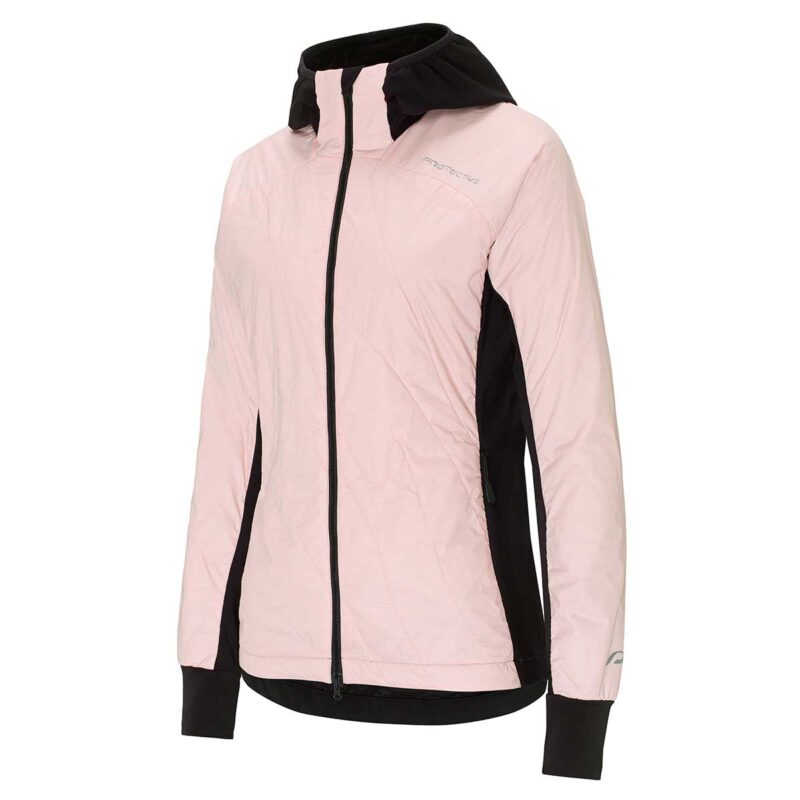
Wind gilet, wind jacket or rain jacket, depending on the weather. Riding into the wind cools you more than many people think: at 15 km/h, 10 °C feels noticeably colder than standing still.
Rough guide values to start with
Every body regulates differently, take this as a starting point and adjust it to suit you:
- Around 15 °C: short sleeve jersey plus wind gilet or arm warmers. The gilet weighs almost nothing and fits in your back pocket.
- 10 to 15 °C: baselayer plus long sleeve jersey. Bring a wind gilet for descents.
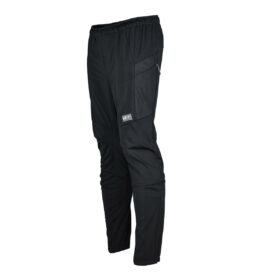
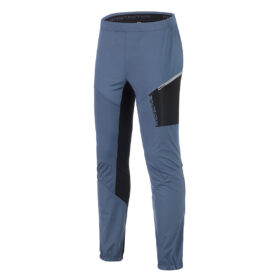
- 5 to 10 °C: baselayer, thermal long sleeve, wind jacket. Tights or leg warmers.
- Below 5 °C: full three-layer system, winter tights, plus overshoes, gloves and something under your helmet.
The most important rule: start slightly cool. If you feel pleasantly warm in the first five minutes, you are overdressed for the rest of the ride and will end up soaked in sweat.
Common mistakes
- One thick layer instead of three thin ones. You cannot regulate anything: either you sweat on the climbs or you freeze on the descents.
- Cotton as a baselayer. Holds sweat, chills you. Performance fibre is a must.
- Underestimating the wind gilet. The most versatile piece in autumn: wind protection at the front, quick to put on and take off.
- Forgetting hands, feet, ears. Your extremities get cold first. Overshoes, gloves and a headband take up little space and save the ride.




FAQ
Do I need a lined jacket for winter?
Usually not on the bike. Three adjustable layers work better than one thick winter jacket, because you can regulate on the way. A thick jacket is more worthwhile for slow rides and everyday use.
What do I wear in the rain?
A rain jacket as the outer layer, underneath it, depending on the temperature, less of a warm layer than in dry weather. Models with a PFAS-free finish are labelled on the product.
Where do I put the layers I take off?
Wind gilets and light jackets are made to pack small enough to fit in a back pocket. That is why jerseys have three pockets.